

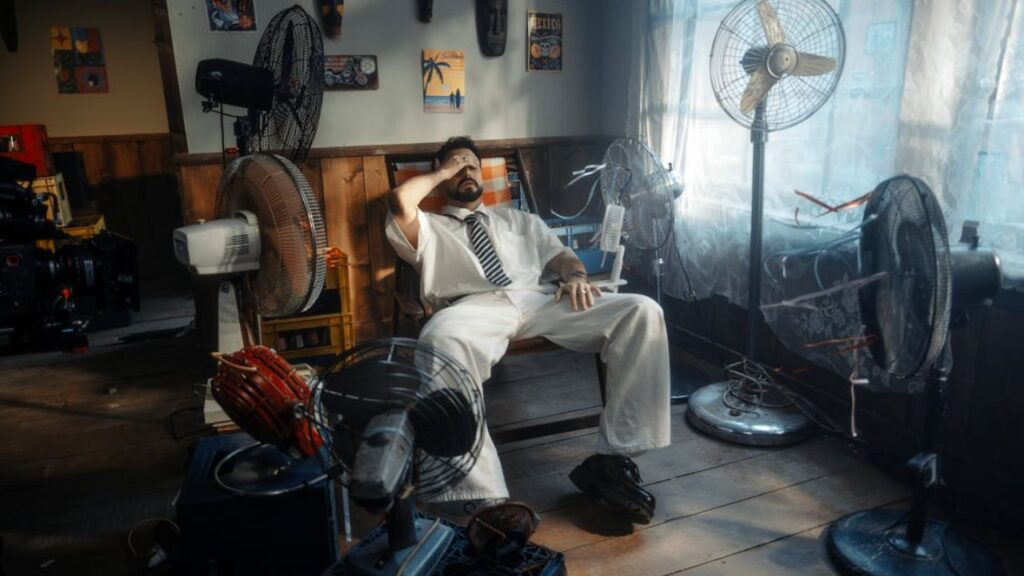
Have you ever noticed that your home seems to feel hotter than it used to—even when your air conditioner is running the same way it always has?
You’re not imagining it.
Over time, homes can gradually become less efficient at keeping heat out and cool air in. This change often goes unnoticed at first, but it eventually leads to higher indoor temperatures, overworked cooling systems, and rising electricity bills.
Let’s break down why this happens—and what you can do to fix it.
Why Homes Feel Hotter Over Time
There isn’t just one reason. Instead, several small factors build up and create a noticeable difference in temperature and energy use.
1. Worn-Out Insulation
Insulation plays a key role in keeping heat from entering your home. But like many materials, it can degrade over time.
What Happens:
- Insulation settles, compresses, or becomes damaged
- Gaps form in walls, ceilings, and attics
- Heat enters more easily during hot weather
The Result:
Your air conditioner has to work harder to maintain the same temperature, increasing your electricity usage.
2. Air Leaks and Poor Sealing
Small cracks and gaps around doors, windows, and walls may seem harmless—but they add up.
Common Problem Areas:
- Window edges
- Door frames
- Electrical outlets
- Ceiling joints
Why It Matters:
Hot air seeps in while cool air escapes, creating a constant cycle of energy loss.
3. Aging or Inefficient Cooling Systems
Your air conditioner doesn’t stay at peak performance forever.
Over Time:
- Filters get clogged
- Components wear out
- Efficiency decreases
Even if your AC is still working, it may be using more energy to produce the same cooling effect.
4. Poor Airflow Inside the Home
Air needs to circulate properly to maintain consistent temperatures.
When Airflow Is Blocked:
- Some rooms feel hotter than others
- Cool air doesn’t reach certain areas
- Your system runs longer to compensate
Furniture placement, dirty vents, and closed doors can all contribute to poor airflow.
5. Heat Buildup from Everyday Activities
Daily activities generate heat more than most people realize.
Examples:
- Cooking
- Using electronics
- Running appliances
- Lighting (especially older bulbs)
If heat isn’t properly ventilated, it accumulates over time—making your home feel warmer.
6. Changes in Your Home Environment
Even subtle changes can affect indoor temperature.
These Include:
- Adding more furniture or clutter
- Renovations that affect airflow
- Tree removal (less shade outside)
These changes can increase heat retention without you noticing right away.
How This Raises Your Electric Bill
When your home retains more heat, your cooling system has to compensate.
Here’s What Happens:
- Your AC runs longer cycles
- It turns on more frequently
- It consumes more electricity
Over time, this leads to:
- Higher monthly bills
- Increased wear and tear on your system
- Reduced appliance lifespan
In areas where electricity pricing varies, tools like power to choose can help you compare plans—but reducing energy waste at home is just as important for keeping costs down.
Signs Your Home Is Becoming Less Efficient
Not sure if this is happening in your home? Look for these signs:
- Rooms feel warmer than they used to
- Your AC runs almost constantly
- Electricity bills are steadily increasing
- Uneven temperatures throughout the house
- You feel hot even at the same thermostat setting
If you notice several of these, your home’s efficiency may be declining.
What Actually Works to Fix It
The good news is that you don’t need a full renovation to improve your home’s cooling efficiency.
1. Seal Air Leaks
Start with the easiest and most cost-effective fix.
What to Do:
- Apply weather stripping to doors and windows
- Seal cracks with caulk
- Check for hidden gaps
This helps keep cool air inside and hot air out.
2. Upgrade or Restore Insulation
Focus on key areas like:
- Attics
- Walls
- Roof spaces
Even adding insulation to one area can make a noticeable difference.
3. Improve Airflow
- Keep vents clean and unblocked
- Rearrange furniture away from airflow paths
- Use fans to circulate air
Better airflow helps distribute cool air evenly.
4. Maintain Your Cooling System
Regular maintenance can restore efficiency.
Simple Steps:
- Clean or replace air filters every 1–3 months
- Schedule professional servicing
- Check for unusual noises or weak airflow
A well-maintained system uses less energy.
5. Reduce Indoor Heat Sources
- Switch to LED lighting
- Avoid using heat-generating appliances during peak hours
- Use exhaust fans when cooking
Small changes can reduce overall heat buildup.
6. Use Smart Cooling Habits
- Set realistic thermostat temperatures
- Close curtains during the hottest parts of the day
- Cool only the rooms you use
Efficiency is about working smarter—not harder.
Frequently Asked Questions (FAQs)
1. Why does my home feel hotter even with the AC on?
This usually happens due to poor insulation, air leaks, or inefficient airflow. Your AC may be working, but the cool air isn’t staying or circulating properly.
2. Does insulation really make a big difference?
Yes. Insulation helps maintain indoor temperatures, reducing the workload on your cooling system and lowering energy bills.
3. How often should I check for air leaks?
At least once a year, especially before summer. Regular checks help prevent energy loss.
4. Can furniture placement affect temperature?
Absolutely. Blocking vents or airflow paths can prevent cool air from reaching certain areas, making your home feel warmer.
5. Is it better to lower the thermostat to cool faster?
No. Lowering the thermostat too much doesn’t cool your home faster—it just makes your system run longer, using more energy.
6. What’s the fastest way to improve cooling efficiency?
Start by sealing air leaks and cleaning your AC filters. These simple steps can quickly improve performance.
Final Thoughts
If your home feels hotter over time, it’s not just about the weather—it’s about how your space is functioning.
Small issues like worn insulation, air leaks, and poor airflow gradually reduce your home’s ability to stay cool. And when that happens, your energy bills inevitably rise.
The key is to catch these problems early and take simple, practical steps to fix them.
Because in the end, a cooler home isn’t just more comfortable—it’s also more efficient, more cost-effective, and easier to maintain.
