

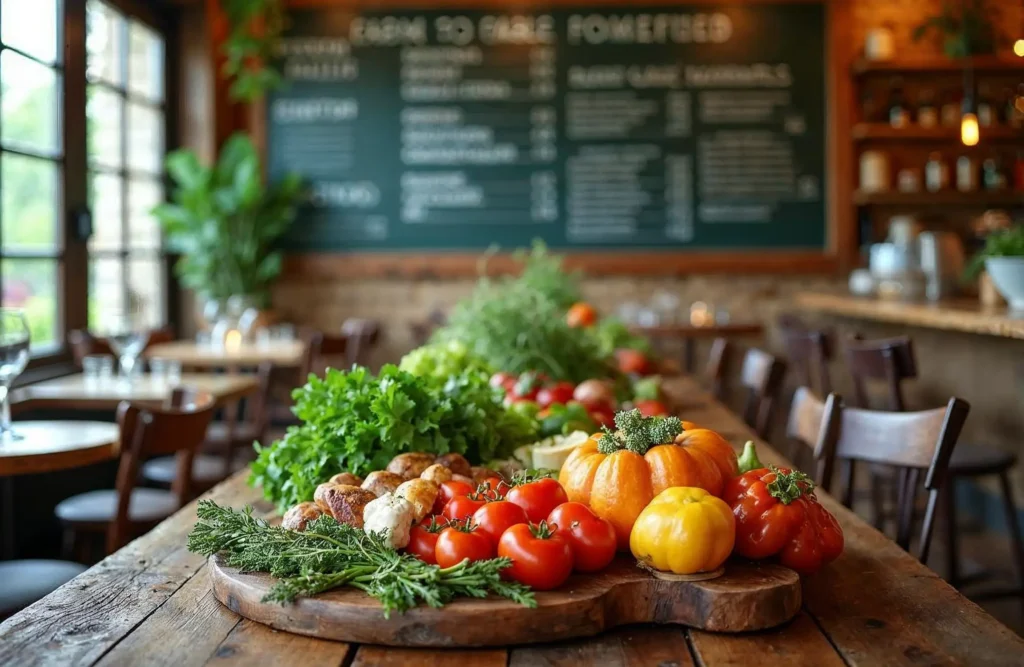
Fresh local ingredients can change the way guests experience a bar and restaurant. They bring stronger flavor, clearer identity, and a closer connection between the kitchen, the bar, and the surrounding community. When produce, dairy, meat, herbs, bread, honey, and seasonal items come from nearby growers or makers, the menu feels more grounded and memorable. Guests often notice when food tastes fresh, and drinks carry flavors linked to the region. Local sourcing can also help a restaurant stand apart without relying on loud claims. It gives every dish and cocktail a reason to belong to that place.
Connecting Cuisine to the Community
- How Local Flavor Shapes Dining
Local ingredients help a bar and restaurant create food that feels connected to its location rather than copied from elsewhere. A tomato grown nearby during peak season can have a deeper flavor than one shipped across the country before it ripens. Fresh herbs from a nearby farm can make sauces, garnishes, and cocktails feel brighter. Local cheeses, mushrooms, greens, berries, grains, and meats can give the menu a sense of place that guests remember. This matters because modern diners often want more than a meal; they want an experience that feels real. A restaurant using local peaches in a summer salad, local honey in a glaze, or regional herbs in a cocktail is not just adding flavor. It is building a menu around the area’s rhythm. For people dining after work near a Chicago office, a locally rooted menu can make a simple dinner feel more connected to the surrounding city.
- Seasonal Menus Create Natural Variety
Using local ingredients also allows a bar and restaurant to refresh its menu naturally. Instead of forcing change through random new dishes, the kitchen can follow the season. Spring may bring tender greens, asparagus, herbs, and lighter flavors. Summer may bring tomatoes, berries, sweet corn, stone fruit, and fresh garnishes for bright cocktails. Fall can introduce squash, apples, root vegetables, grains, and richer sauces. Winter may lean on preserved items, hearty greens, mushrooms, smoked flavors, and warming spices. This seasonal movement keeps the menu interesting for returning guests because there is always something timely to try. It also encourages creativity in the kitchen and bar program. A bartender can build drinks around local fruit syrups, fresh herbs, or regional cider. A chef can adjust plates based on what farmers deliver that week. The result is a menu that feels alive instead of fixed, predictable, or disconnected from the time of year.
- Stronger Relationships Improve Quality
Local sourcing often fosters better communication between the restaurant and the people who supply its ingredients. When a chef works directly with growers, bakers, butchers, dairy producers, or small food makers, there is more room for planning, feedback, and consistency. The kitchen can learn when certain crops will be ready, which items are especially flavorful, and how to design dishes around what is available. This relationship can also reduce waste by allowing the restaurant to use imperfect produce in soups, sauces, jams, purees, garnishes, or bar syrups. A bar program can turn local fruit into shrubs, infusions, or seasonal cocktail bases. These choices support a more thoughtful operation and can help control costs over time. Guests may not see every relationship behind the plate, but they can feel the result when dishes taste fresh, balanced, and intentional. Local partnerships also give staff real stories to share, which makes service feel warmer and more informed without sounding forced.
- A Menu with Local Roots Builds Loyalty
A bar and restaurant that uses local ingredients can build stronger loyalty because guests feel they are supporting more than one business. When a meal includes nearby produce, bread, meat, cheese, or beverages, the guest becomes part of a larger local circle. This can make dining feel more meaningful, especially for people who care about neighborhood businesses, the origin of food, and community values. Local ingredients can also give the brand a clearer voice. Instead of offering a menu that could appear in any city, the restaurant can show what its area grows, makes, and celebrates. This does not mean every item must be local. Balance matters. A smart menu can combine local items with carefully chosen pantry goods from elsewhere. The key is to use local ingredients where they truly enhance flavor, freshness, and identity. When guests taste that difference, they are more likely to return, recommend the place, and trust future menu changes.
Local ingredients can elevate a bar and restaurant by making its cuisine fresher, more personal, and more connected to the community it serves. They support stronger flavor, seasonal variety, creative drinks, and meaningful supplier relationships. They also give guests a reason to remember the meal beyond the plate itself. A restaurant does not need to use only local products to benefit from this approach. Even a few thoughtful choices can powerfully shape the dining experience. When local ingredients are used with care, the menu feels rooted, timely, and worth returning to again and again.
