

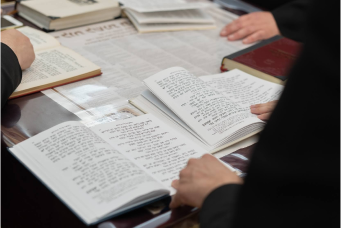
Shloshim is a meaningful period when family and friends gather their thoughts, memories, and prayers around the soul of a loved one. Learning Mishnayos during this time is a respected way to bring merit, comfort, and unity. Dividing the learning clearly helps everyone take part without confusion or pressure. Some people can learn many chapters, while others may only manage a small portion, and both contributions matter deeply. A thoughtful division creates order, encourages participation, and allows the group to complete the learning with dignity, care, and shared purpose during an emotionally sensitive time for everyone involved.
A Shared Learning Path
Dividing Mishnayos begins with understanding the goal and the people involved. The family should first decide whether they want to complete all six orders of Mishnah, one seder, selected masechtos, or a smaller amount based on the number of participants and available time. Once the goal is clear, one person can gently coordinate the learning so the same chapters are not assigned twice while other sections are missed. For many families, mishnayos for shloshim becomes more than a learning project; it becomes a way for relatives, friends, neighbors, and community members to feel connected to the niftar through shared effort. The coordinator should consider each person’s comfort level, Hebrew reading ability, schedule, and familiarity with Mishnah. Some may prefer familiar masechtos, while others may be open to anything assigned. This early planning stage sets a calm foundation and helps the learning move forward with respect and clarity.
Assigning Portions With Sensitivity
A good division should feel organized but not heavy-handed. During shloshim, people may still be grieving, handling family matters, or traveling, so assignments should be made with kindness and flexibility. Larger portions can be given to those who request them, while smaller sections can be offered to people who want to participate but may not have much time. It is also helpful to divide by masechta rather than by random chapters when possible, because people often find it easier to track a complete unit of learning. If a masechta is long, it can be divided by perek, allowing several people to share it. The coordinator should write down each assignment clearly, including the seder, masechta, and chapters. This avoids mistakes and gives every participant confidence about what they accepted. Sensitivity also means not embarrassing anyone who cannot read fluently or complete a large amount. Even one small assignment, accepted sincerely, can be meaningful.
Keeping Track Until Completion
Once the Mishnayos are divided, tracking progress becomes important. A simple shared document, message thread, or printed chart can help the family see what has been assigned, what has been completed, and what still needs attention. The record should be easy to read and updated regularly, especially as the shloshim date approaches. Some families prefer assigning everything at once, while others leave a few unassigned sections available for late volunteers. The coordinator may send gentle reminders, but the tone should remain warm, not demanding. People should feel that they are contributing to a mitzvah, not completing a task under pressure. If someone realizes they cannot finish, another participant can quietly take over that portion without making the person feel uncomfortable. Clear tracking also helps prevent last-minute panic. When the learning is monitored calmly from the beginning, the family can focus more on the spiritual purpose behind the completion.
Bringing Everyone Together
The division of Mishnayos can also create a sense of togetherness across distance. Relatives living in different cities or countries can receive assignments by message and still feel included in the shloshim. Friends of the niftar may appreciate being invited, especially if they had a close bond but are not part of the immediate family. Children and younger relatives can also be included in age-appropriate ways, such as learning a short Mishnah with a parent or listening to a section being explained. This gives them a gentle connection to the memory of the loved one. Some families choose to hold a siyum at the end, either in person or online, where the completion is marked with words of Torah and memories. The gathering does not need to be large or formal. What matters is that the learning was shared respectfully and completed with sincere intention.
Conclusion
Dividing Mishnayos among family and friends for shloshim works smoothly when it is planned with clarity, patience, and compassion. The process should match the abilities of the people involved while honoring the memory of the niftar in a dignified way. A clear goal, careful assignments, regular tracking, and gentle communication can turn the learning into a unified act of merit. Every participant, whether learning many chapters or only one small section, becomes part of something meaningful. Through shared Mishnah learning, family and friends can bring comfort to one another while creating a lasting tribute rooted in Torah and remembrance.
