

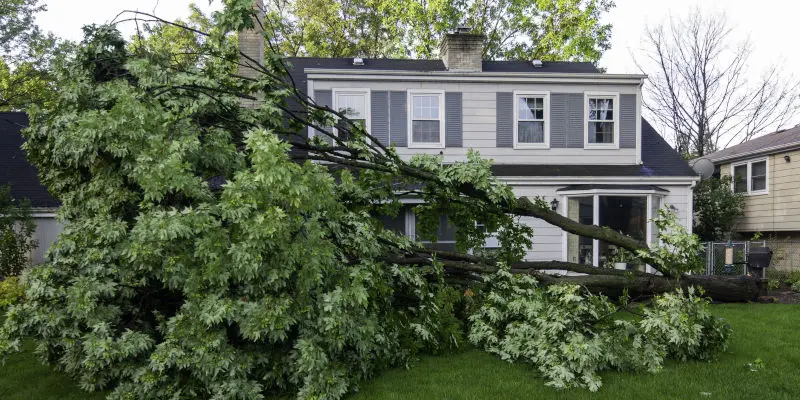
After a storm or natural disaster, trees are often one of the first areas of concern. Fallen branches, uprooted trees, or cracked trunks can cause significant damage to homes, vehicles, and power lines. Prompt action is necessary to prevent further harm and ensure that the area is safe for residents. Emergency tree care helps manage fallen limbs, clear dangerous debris, and stabilize weakened trees before further weather conditions exacerbate the situation. Whether a large branch is hanging dangerously over a roof or a tree is obstructing the road, timely intervention can stop the situation from worsening and protect property from secondary damage.
Fast Action Can Prevent Further Damage
- Reducing Risk to Property and People
After a natural disaster, trees may appear structurally damaged but still standing. These trees can present a hidden risk, as strong winds, rain, or aftershocks can cause them to collapse unexpectedly. Immediate tree care is important to address these hazards. Removing damaged branches, cutting down unstable trees, and securing remaining foliage can reduce the risk of falling debris injuring people or damaging property. Homeowners who wait too long to address tree damage may find that trees become even more unstable, especially when the soil is softened by rain or the roots are already disturbed. In areas like Emergency Tree Care in Springfield, where storms and heavy winds are common, it is critical to address these risks, as compromised trees can pose a serious danger to both life and property.
- Preventing Further Tree Damage
Another important reason to invest in emergency tree care after a storm is to preserve the health of trees that are not immediately at risk of falling. Storm damage can lead to broken limbs, cracked trunks, and stripped bark, all of which can affect the tree’s long-term health. Immediate care can help prevent these issues from becoming more severe. Trimming broken or hanging branches, removing debris around the trunk, and making proper cuts can help trees heal and recover faster. If trees are left unattended, disease, rot, or infestation can set in, causing the tree to deteriorate and potentially leading to further damage to the landscape. Caring for trees right after a storm improves their chances of recovery and longevity, helping keep them healthy and stable in the future.
- Minimizing Long-Term Landscape Disruption
When a storm causes tree damage, the effects are often felt throughout the entire landscape. Fallen branches, uprooted trees, and scattered debris can take a toll on the lawn, garden, and surrounding foliage. These issues can obstruct walkways, block driveways, and affect the property’s overall curb appeal. Emergency tree care helps remove debris quickly, minimizing disruption to your landscape. By clearing away the larger branches, fallen trunks, and other tree-related obstacles, homeowners can restore their property and begin cleaning and repairing the landscape. Prompt removal of harmful so reduces the risk of harm to other plants and helps avoid soil compaction, which can affect the growth of grass or other plants.
- Restoring Safety and Peace of Mind
After a storm, the emotional toll of damage can leave homeowners feeling overwhelmed. The uncertainty of potential damage from fallen trees or branches adds to the stress. Emergency tree care not only helps restore the property’s physical safety but also brings peace of mind. When trees are properly assessed and the area is cleared, residents can feel safer knowing that any immediate dangers have been addressed. A professional tree care service can also guide homeowners through the process, answering questions and providing expert advice on the next steps. This support is invaluable in helping families navigate the aftermath of a natural disaster with greater confidence and a clear path forward.
- Preparing for Future Storms
Emergency tree care is not just about cleaning up after the storm—it’s also about preparing for the next one. An assessment of trees in the aftermath of a disaster can reveal potential risks that were not previously obvious. For example, trees that suffered damage from strong winds or heavy rain may be at higher risk of future problems. A professional arborist can help identify trees that need trimming, those that should be removed, and areas where additional support might be needed, such as staking or cabling. This proactive approach ensures that homeowners are better prepared for future storms, reducing the likelihood of damage caused by unstable or weakened trees. Regular checkups and maintenance can significantly reduce the need for emergency services after future storms, saving both time and money while improving the overall health of the landscape.
Timely Action Prevents Bigger Costs
Emergency tree care is a critical service following a storm or natural disaster, as it assesses hazards, preserves tree health, and restores order to the landscape. Taking action early can prevent further damage, reduce the risk of injury, and make future storm preparedness easier. Homeowners who address tree issues promptly can save money by avoiding more property repairs and improving their property’s long-term stability. Proper care helps prevent the spread of disease or rot and minimizes landscape damage. After a storm, homeowners protect their homes and ensure that their property remains safe and healthy for years to come.
