

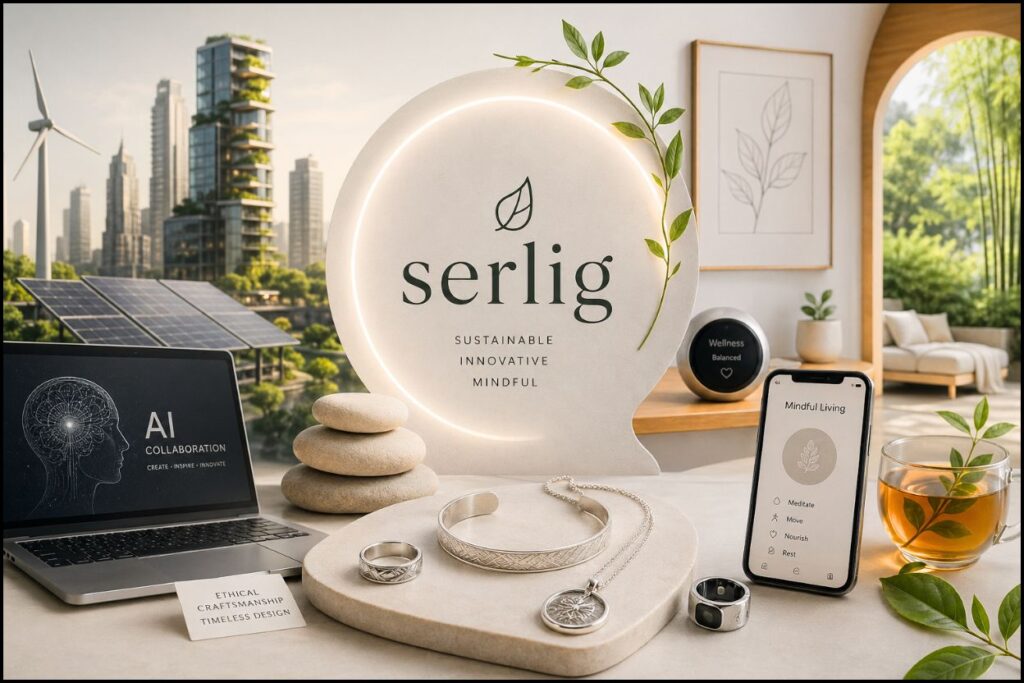
The term serlig has emerged as a cornerstone of the 2026 global landscape, representing a unique blend of high-end craftsmanship, technological integration, and sustainable living. As we move deeper into the current year, the definition of value is changing. Consumers are no longer satisfied with products that only look good; they demand items that align with their personal ethics and digital needs. This article provides an in-depth analysis of how these trends are shaping the world today, from the silver jewelry markets to the latest breakthroughs in artificial intelligence and infrastructure.
The 2026 Revolution in Sustainable Craftsmanship
Sustainability is the most significant driver of consumer behavior in 2026. The “serlig” approach to product development focuses on the lifecycle of an item rather than just its immediate appeal. Brands across the globe are moving away from traditional manufacturing processes in favor of carbon-neutral methods. For instance, the use of recycled precious metals has become a standard in the luxury goods sector. This shift is not just about protecting the environment; it is about meeting the expectations of a highly informed and socially conscious audience.
Furthermore, transparency in the supply chain has become a competitive advantage. In 2026, many leading companies provide a digital “passport” for their products. This allows customers to see every step of the manufacturing journey, from the raw material source to the final assembly. Therefore, the trust between a brand and its customers is stronger than ever before. People are willing to pay a premium for products that guarantee ethical labor practices and minimal ecological footprints.
Why Artisanal Quality Dominates Mass Production
The era of fast consumption is rapidly coming to an end. In the current year, there is a renewed appreciation for the human element in design. Handcrafted finishes, such as hammered textures and oxidized silver, are trending because they offer a sense of uniqueness. These “serlig” details ensure that no two pieces are exactly alike. Consequently, artisanal brands are seeing a massive surge in popularity, as they provide an alternative to the repetitive nature of mass-produced goods.
Technological Synergy and Digital Lifestyles
By 2026, technology has become invisible but essential. The “serlig” philosophy of design emphasizes “calm technology”—tools that help us without demanding our constant attention. We are seeing this in the rise of ambient computing, where smart devices respond to our needs based on context rather than explicit commands. For example, smart lighting systems now adjust their intensity and color temperature based on our circadian rhythms to improve sleep quality and focus.
Moreover, the digital economy is being transformed by the integration of blockchain and AI. These technologies are providing more secure and personalized experiences for users. Whether it is through decentralized finance platforms or AI-driven personal assistants, the goal is to give individuals more control over their data and their time. Because of this, the digital world is becoming more user-centric and less dominated by centralized platforms.
The Role of AI in Human Creativity
Artificial intelligence is no longer seen as a threat to creativity but as a powerful collaborator. In 2026, content creators are using AI to handle repetitive tasks, allowing them to focus on high-level strategy and emotional storytelling. This “serlig” balance of tech and talent is producing some of the most innovative work in history. For instance, designers are using generative tools to explore thousands of variations of a concept before hand-finishing the final product.
2026 Fashion Trends: The New Aesthetic
Fashion in 2026 is defined by versatility and individuality. The “serlig” aesthetic favors pieces that can transition seamlessly from a professional setting to a social event. This is particularly evident in the jewelry industry, where 925 sterling silver remains the material of choice for its durability and timeless beauty. This year, we are seeing a move away from heavy, cumbersome accessories in favor of lightweight, breathable designs.
Thin, stackable rings and layered chains are the most popular items in the 2026 jewelry collections. These pieces allow individuals to create a customized look that changes with their mood or the occasion. In addition, geometric shapes with clean lines and sharp angles are appearing everywhere. These modern designs offer a bold look that complements both minimalist and maximalist fashion styles. Therefore, silver jewelry has become an essential part of the modern wardrobe.
Personalization as a Major Trend
In 2026, fashion is a form of personal storytelling. Customization is no longer a luxury service; it is an expected feature. Brands that offer engraving, custom initial pendants, and zodiac-inspired designs are leading the market. This focus on “serlig” personalization allows consumers to wear their identity and values, making their fashion choices feel more meaningful and unique.
Global Infrastructure and the Future of Work
The way we live and work has undergone a permanent shift. In 2026, infrastructure is being redesigned to support a more mobile and flexible workforce. High-speed connectivity is now available in even the most remote locations, allowing people to work from anywhere. This has led to the growth of “digital nomad hubs”—cities that provide specialized infrastructure for remote workers, including co-working spaces and high-tech housing.
Infrastructure projects are also prioritizing sustainability. We are seeing a massive investment in green energy grids and electric vehicle charging networks. These “serlig” developments are essential to creating a resilient, future-proof economy. Furthermore, the construction industry is adopting 3D printing and modular building techniques to create affordable and eco-friendly housing solutions at scale.
The Rise of the 15-Minute City
Urban planning in 2026 is focused on the “15-minute city” concept. This model ensures that all essential services—work, shopping, healthcare, and leisure—are within a 15-minute walk or bike ride from home. This approach reduces the reliance on cars and fosters a stronger sense of community. By prioritizing people over vehicles, cities are becoming healthier and more vibrant places to live.
Health and Holistic Wellness in 2026
Wellness is no longer a luxury; it is a fundamental part of the 2026 lifestyle. The “serlig” approach to health is holistic, addressing physical, mental, and emotional needs. We are seeing a huge demand for products that promote mindfulness and stress reduction. From meditation apps that use biofeedback to ergonomic furniture that supports better posture, the wellness industry is constantly innovating.
Clean beauty and nutrition are also major focus areas. Consumers are avoiding processed ingredients and harsh chemicals in favor of natural, plant-based alternatives. In 2026, “skinimalism” is a dominant trend—using fewer, higher-quality products to achieve healthy, glowing skin. This shift reflects a broader desire for simplicity and effectiveness in our daily routines.
The Impact of Wearable Health Tech
Wearable technology has become more sophisticated and less intrusive. In 2026, health-tracking rings and patches provide real-time data on everything from blood glucose levels to mental stress. This data allows individuals to make informed decisions about their diet, exercise, and sleep. However, the focus has shifted from just collecting data to providing actionable insights that help people live better lives.
Home Design: The Modern Sanctuary
Our homes are our most important environments, and in 2026, they are being designed as multi-functional sanctuaries. The “serlig” home decor trend emphasizes natural materials like wood, stone, and linen to create a calming atmosphere. Biophilic design—incorporating plants and natural light—is a key feature of modern interiors, as it has been proven to improve mood and productivity.
Smart home integration has also become more seamless. Instead of multiple apps, homeowners now use unified systems that automatically manage energy, security, and comfort. These systems are designed to be intuitive and helpful, reducing the complexity of managing a modern household. Therefore, our homes are becoming more efficient and personalized to our specific needs.
Flexible Spaces for Modern Living
As the boundaries between work and life continue to blur, our homes must be flexible. We are seeing a rise in “transformer” furniture—pieces that can change their function depending on the time of day. A guest room can easily become a high-tech gym, or a kitchen island can serve as a professional workstation. This adaptability is essential for making the most of urban living spaces in 2026.
Conclusion: Embracing the Serlig Standard
As we look toward the remainder of 2026 and beyond, the serlig movement continues to define the best of modern life. It is a commitment to quality that transcends temporary trends. By focusing on sustainability, technological harmony, and personal well-being, we are building a world that is more resilient and more fulfilling for everyone.
The choices we make today—the products we buy, the technology we use, and the way we build our communities—will shape the future for generations to come. Therefore, choosing the “serlig” standard means choosing a future that values substance, ethics, and innovation. Stay informed, stay conscious, and continue seeking out the excellence this new era offers. The future is not something that happens to us; it is something we create together through our shared values and vision.
