

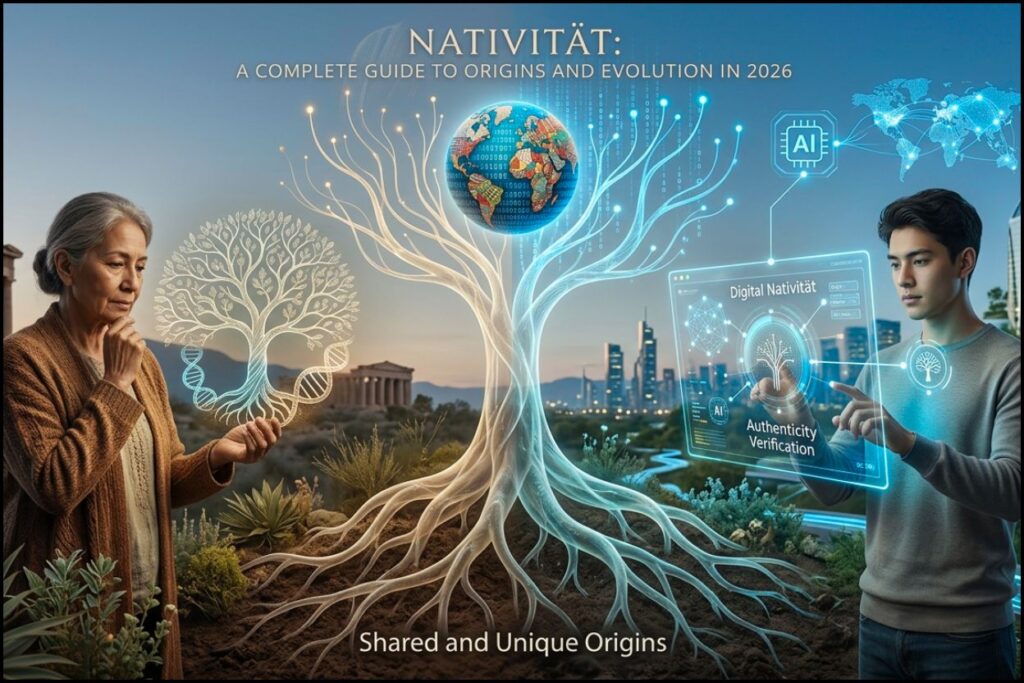
The concept of nativität goes beyond a simple definition of birth or origin. In a rapidly changing global landscape, understanding where things begin—whether it is a biological process, a philosophical idea, or a cultural movement—remains essential for human connection. As we move through 2025 and 2026, the interpretation of this term has evolved significantly. People are increasingly seeking ways to reconnect with their roots while embracing the digital future.
To explore this topic in depth, we must examine how the word affects various facets of life. For example, in historical contexts, it often relates to the circumstances of one’s arrival into the world. However, modern discussions often link it to the authenticity of products, the nativity of data, or the preservation of indigenous languages. Consequently, this article provides a comprehensive look at the multifaceted nature of the term and its relevance in the current year.
The Linguistic Roots and Evolution of Nativität
Language is the primary vehicle for culture, and the term nativität carries heavy weight in several European dialects. Historically, it stems from the Latin root nativitas, which means ‘birth’. While English speakers might use the word “nativity” primarily in a religious sense, the broader concept encompasses the state of being native or the quality of being natural.
During the early months of 2025, linguists noted a resurgence in the use of traditional terminology to describe organic growth. This trend suggests that society is moving away from artificial constructs. Therefore, when we speak about this concept today, we are often discussing the raw, unedited version of reality. In addition, the way we use this word helps us categorize the world into what is inherent and what is acquired.
How Nativität Influences Modern Social Identity
Identity formation is a complex process that relies heavily on one’s sense of origin. Many individuals today are searching for their nativität to better understand their place in a globalized society. Because digital borders are disappearing, the physical place of birth has become a point of pride and a marker of unique heritage.
For instance, younger generations are currently investing more time in genealogy and DNA testing. They want to know the specific details of their ancestry to feel grounded. Furthermore, this search for truth often leads to a deeper appreciation of diverse cultures. As a result, the world becomes more interconnected even as we celebrate our individual starting points.
The Role of Heritage in 2026
By the year 2026, experts predict that heritage tourism will reach an all-time high. People are no longer satisfied with generic vacation spots; instead, they want to visit the lands of their ancestors. This shift is a direct result of the human desire to witness their nativität firsthand.
Moreover, schools are increasingly integrating local history more deeply into their curricula. Educators realize that students perform better when they feel a sense of belonging. By teaching children about their local roots, they foster a stronger community spirit. Consequently, the local environment thrives when residents feel a deep, inherent connection to the soil.
Cultural Preservation and Digital Documentation
In the digital age, preserving one’s nativität has become a technological challenge. Many indigenous languages are at risk of disappearing, but new AI tools in 2025 are helping to archive these dialects. Therefore, technology is acting as a bridge between the ancient past and the high-tech future.
In addition, digital storytelling allows families to record their histories for future generations. These archives ensure that the specific essence of a family’s origin is never lost. Because these tools are now more accessible, almost anyone can create a lasting legacy. Consequently, the concept of being “native” to a place is being preserved in virtual vaults forever.
Environmental Nativität: Protecting Local Ecosystems
When we apply the concept of nativität to the environment, it refers to the flora and fauna that naturally occur in a specific region. In 2025, environmentalists are pushing harder than ever for the restoration of native species. Invasive species often disrupt the balance of nature, leading to the collapse of local food chains.
For example, planting native trees in urban areas has become a popular trend in major cities. These plants require less water and provide better habitats for local birds and insects. In addition, they help preserve the landscape’s natural beauty. Therefore, supporting local biology is a practical way to honor the natural order of the planet.
The Rise of AI-Native Ecosystems in 2026
In the technological realm, nativität has taken on a revolutionary meaning with the rise of AI-native companies. In 2026, we are seeing a shift where businesses are no longer just “using” AI; they are being built with AI as their fundamental backbone. This organic integration allows systems to be more reliable and explainable than ever before.
Furthermore, “Cloud 3.0” has emerged as a smart framework that acts as a native environment for these intelligent operations. Rather than forcing old software to work with new tools, developers are creating “intelligent apps” that learn and adapt in real-time. Consequently, a system’s digital nativity determines its ability to survive in a hyper-competitive market. Therefore, the year 2026 is often called the “year of truth” for digital authenticity.
The Psychological Impact of Knowing Your Origins
Psychologists often argue that a clear understanding of one’s nativität is vital for mental well-being. When a person knows their history, they often feel more secure in their skin. This sense of security acts as a shield against the pressures of modern life.
In addition, understanding family patterns can help individuals break negative cycles. For instance, knowing one’s ancestors’ health history allows for better preventive care today. Furthermore, the stories of resilience passed down through generations can inspire modern-day courage. As a result, looking backward is often the best way to move forward with confidence.
Breaking the Cycle of Displacement
Displacement is a significant issue worldwide, affecting millions of people. For those who have been forced to leave their homes, maintaining a sense of nativität is a form of resistance. They carry their traditions, recipes, and songs with them to stay connected to their source.
Moreover, refugee communities often create “mini-homelands” in their new countries. These vibrant neighborhoods serve as a testament to the strength of human heritage. By practicing their native customs, they find comfort in a strange land. Consequently, the essence of home resides in the heart, regardless of physical location.
Digital Identity and Verification Trends
By early 2026, the concept of “Know Your Agent” (KYA) has become a staple of digital nativität. As deepfakes and synthetic profiles become more common, verifying the origin of a digital identity is crucial. Systems now use reusable KYC frameworks to ensure that a user’s “native” data remains secure and private.
In addition, organizations are moving toward predictive risk management to catch fraud before it happens. This shift is necessary because bad actors are using increasingly sophisticated methods to fake their digital origins. Therefore, maintaining the integrity of one’s digital nativität is now a matter of national and personal security. Consequently, trust has become the most valuable currency in the digital economy.
Economic Implications of Regional Nativität
In the world of commerce, the nativität of a product is a major selling point. In 2025, consumers are much more likely to buy items that are locally sourced and authentically made. This “buy local” movement supports small businesses and reduces the carbon footprint associated with shipping.
For example, artisanal cheeses or handmade textiles often carry labels certifying their place of origin. These labels provide a guarantee of quality and tradition. In addition, they tell a story that mass-produced items cannot replicate. Therefore, the economic value of being “native” is higher than it has been in decades.
Nativität in Art: Tactile and Humanized Design
The design world in 2026 is witnessing a powerful return to “tactile design.” After years of sterile and hyper-polished digital interfaces, users are gravitating toward textures that feel real. Hand-drawn details, grain, and paper-like surfaces are used to signal human authorship in a world flooded with AI-generated content.
Furthermore, high-contrast color palettes are being used to improve accessibility and legibility. This trend ensures that the “native” website experience is inclusive for all users, regardless of ability. In addition, brands are embracing “folk and heritage-coded” identities to build deeper loyalty with their audiences. Therefore, the most successful designs today are those that honor the nativität of the human touch.
Health and Science: The “One Health” Approach
In 2026, the World Health Organization has emphasized the “One Health” summit, which focuses on the scientific nativität of our global health systems. This approach recognizes that the health of people is inherently linked to the health of animals and the environment. By protecting the native ecosystems of our planet, we are directly protecting human longevity.
Moreover, medical diagnostics are becoming more “native” to the individual through AI-driven diagnostics and mRNA-based solutions. These technologies enable treatments tailored to a patient’s genetic profile. Therefore, science is helping us return to a state of natural balance and health. As a result, the future of medicine is more personalized than ever before.
Conclusion: Embracing Our Shared and Unique Origins
As we have explored, the concept of nativität is a thread that runs through every aspect of human life. From our personal identities to the technology we use, the quality of being native defines our reality. In 2025 and 2026, this concept will become increasingly important as we navigate a complex, often confusing world.
Therefore, we should celebrate our own origins while remaining open to others’ origins. By understanding our nativität, we gain a deeper appreciation for the diversity of the human race. In addition, we find the strength to build a future that is both innovative and deeply rooted in truth. As a result, the journey back to our beginnings is actually the fastest way to reach our full potential.
